Klarna Group submitted applications to the Utah Department of Financial Institutions and the Federal Deposit Insurance Corporation (FDIC) to establish Klarna Bank USA, a proposed Utah-chartered industrial bank.
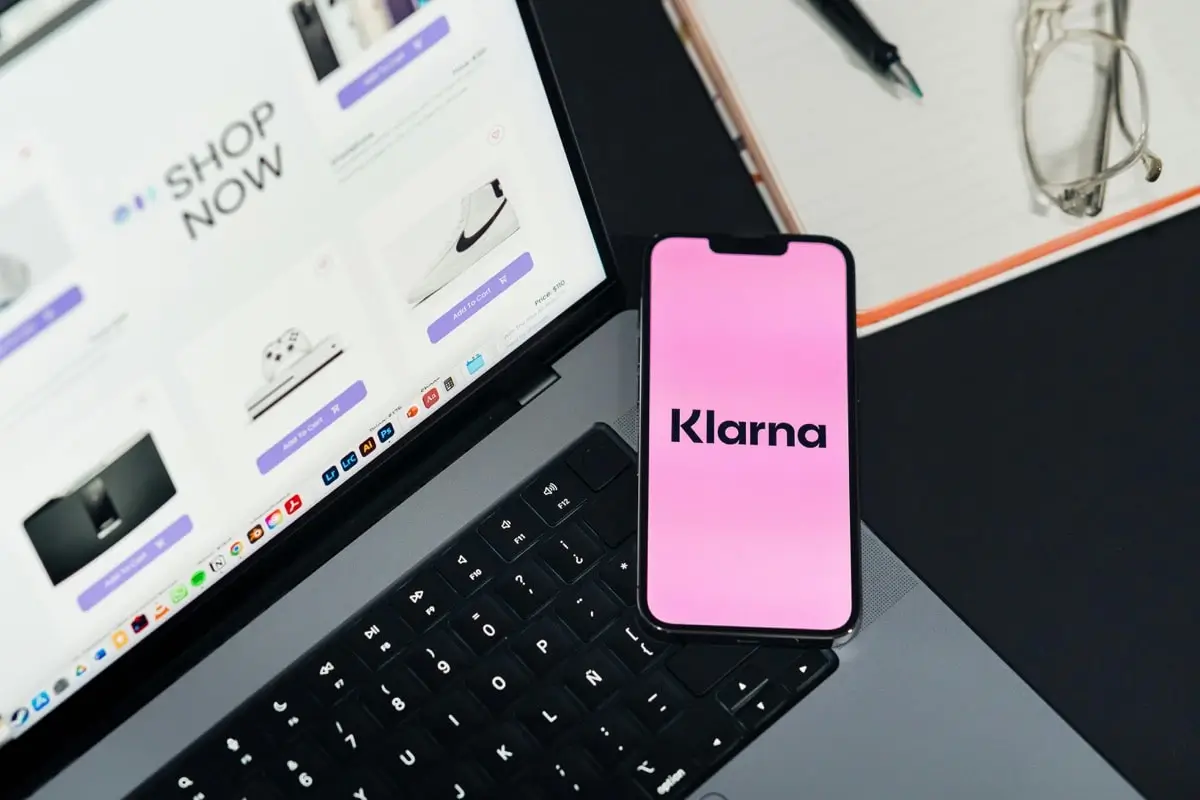
The two filings were announced on July 6, 2026. They mark the buy now, pay later provider’s first direct bid for a US banking charter.
What the filing covers
In the United States, Klarna Bank would qualify as an industrial bank, which is a form of an industrial loan company (ILC). If granted approval, Klarna Bank would be a subsidiary company under the sole ownership of Klarna Inc., which would be an entity duly registered in the state of Utah as an industrial bank and would be federally insured by the Federal Deposit Insurance Corporation (FDIC).
Use of the ILC structure would provide Klarna with the advantage of being able to form its own banking institution while at the same time, avoiding the regulations placed on bank holding companies by the Bank Holding Company Act. Hence, through this structure, Klarna would be a holder of consumer deposits and offer its credit and merchant services.
“Banking is built on trust,” said Sebastian Siemiatkowski, co-founder and CEO of Klarna. “We’ve seen firsthand the appetite for a fairer, more transparent approach in the U.S., and our own banking license is the natural next step, giving customers tools to borrow responsibly and build financial confidence, while bringing greater competition, innovation, and choice to consumers and merchants alike.”
Klarna has proposed Gary Harding as president and CEO of Klarna Bank USA. Harding has previously served as chairman and CEO of Milestone Bank and as president and CEO of Prime Alliance Bank, both Utah-based institutions.
Existing footprint
Klarna obtained a banking license in Sweden in 2017. The company leverages it on a wider scale than just one market, since the license extends across the 23 other European countries where it operates. In the US, the company currently serves customers through partner banks, including WebBank, which originates loans and holds deposits on Klarna’s behalf. Klarna launched FDIC-insured savings accounts in the US in June 2026 through this partner-bank arrangement.
According to Klarna, it has been able to give Americans the chance to use $91.3 billion in credit since 2019 and saved these people $5.1 billion in interest payments via its flexible BNPL structure. As per the data available from the company, it has around 30 million users in the US each year and has partnered with 1 million retailers, including those in the Uber, H&M, Sephora and Airbnb groups. A US charter would let Klarna fund this lending directly with insured deposits rather than external wholesale funding.
A broader pattern among corporate applicants
Utah’s ILC charter has drawn a range of non-bank companies in recent years. Block’s Square Financial Services received approval for its Utah industrial bank in 2020 and supports business banking and commercial lending for merchants. Nelnet Bank, focused on education finance and consumer deposits, was also approved in 2020. Thrivent Bank received FDIC approval in 2024 and began operating as an online bank in 2025.
Automakers have followed a similar route. Utah granted industrial bank charters to the captive finance arms of Ford Motor, General Motors and Stellantis, according to American Banker, while Nissan Motors has a pending application with the state regulator. GM Financial’s approval came after the company revised and refiled its initial application. Edward Jones Investments, OneMain Financial and PayPal also have pending ILC applications in Utah.
Other fintechs have pursued separate paths to a US charter. SoFi obtained a national bank charter in 2022 by acquiring an existing bank, while Varo Bank secured a de novo national charter directly from the Office of the Comptroller of the Currency.
Klarna said it will work with regulators throughout the review process, which the company described as consistent with its ongoing regulatory engagement.
Read more:
- Deutsche Bank is extending its partnership with Klarna to add new merchant acquiring services that will enable businesses to accept MB Way and Bizum, two of the largest local payment methods in Southern Europe (Portugal and Spain).
- Swedish fintech Klarna has secured partnership with Vend, the leading Nordic marketplaces group. The company also announced that its antitrust case brought by PriceRunner subsidiary against Google ended in Klarna’s favour.
- Flexible payments provider Klarna facilitates e-commerce shopping experience for ChatGPT users, who can now instantly see visual search results with up-to-date prices, availability, and offers from multiple merchants, all within the same conversation with the chatbot.